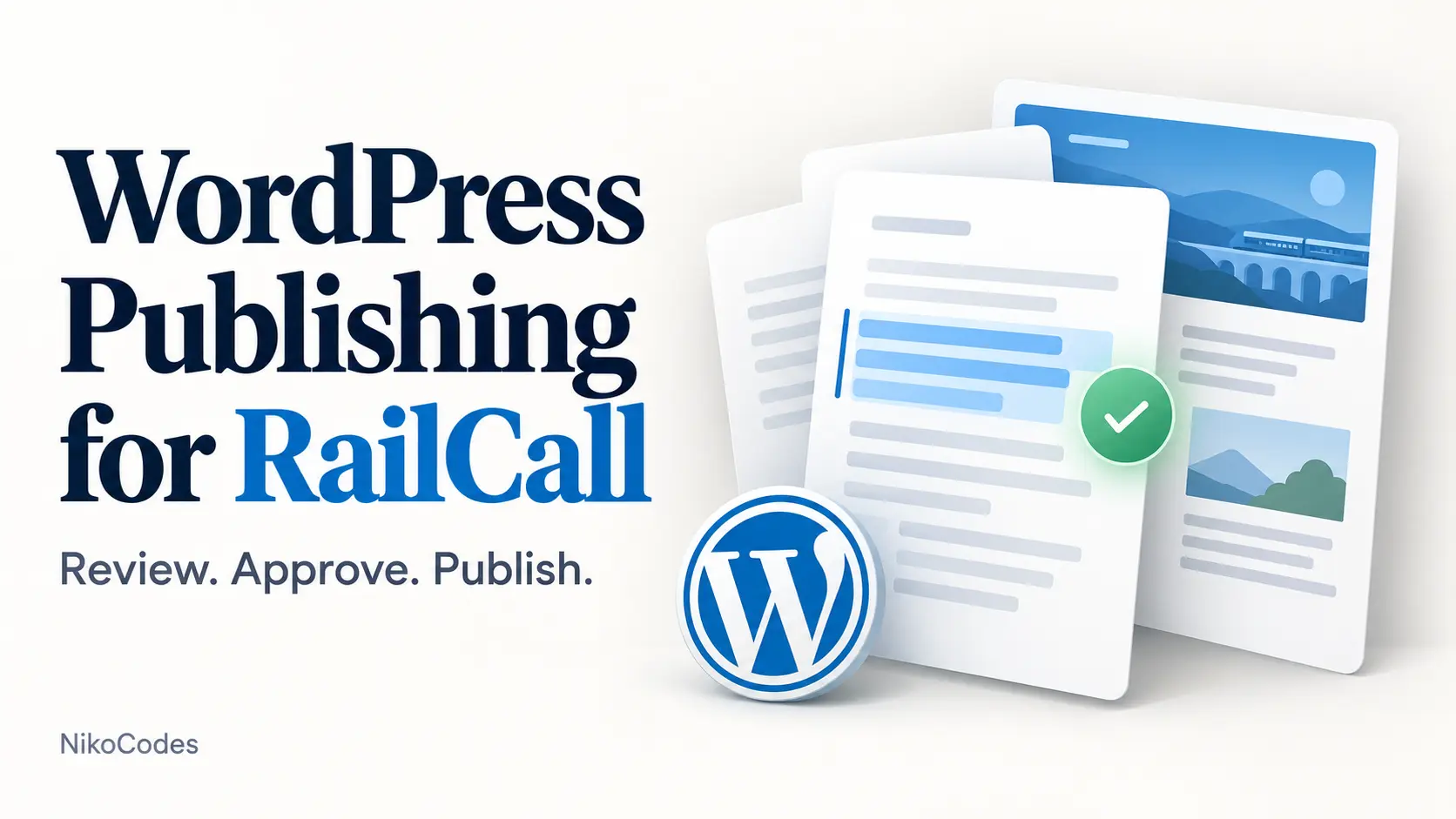
Publishing automation needs a clear handover: someone should see which post will change, review the proposed edits, and approve the action before it reaches the public site. I built WordPress Publishing for RailCall around that workflow.
The project combines a WordPress plugin with a companion Python module for RailCall. Together, they provide ten commands for checking the connection, reading posts and categories, preparing changes, creating and updating drafts, publishing, scheduling, and checking the resulting public page. It is designed for content agencies and site teams that want automation with an explicit review step.
For updates, publication, and scheduling, the preview is tied to the particular post, proposed changes, and action. If someone edits the post after the preview, the plugin refuses the stale request and requires another review. Draft updates are kept separate from changes to live content, so publishing an edit is an explicit action.
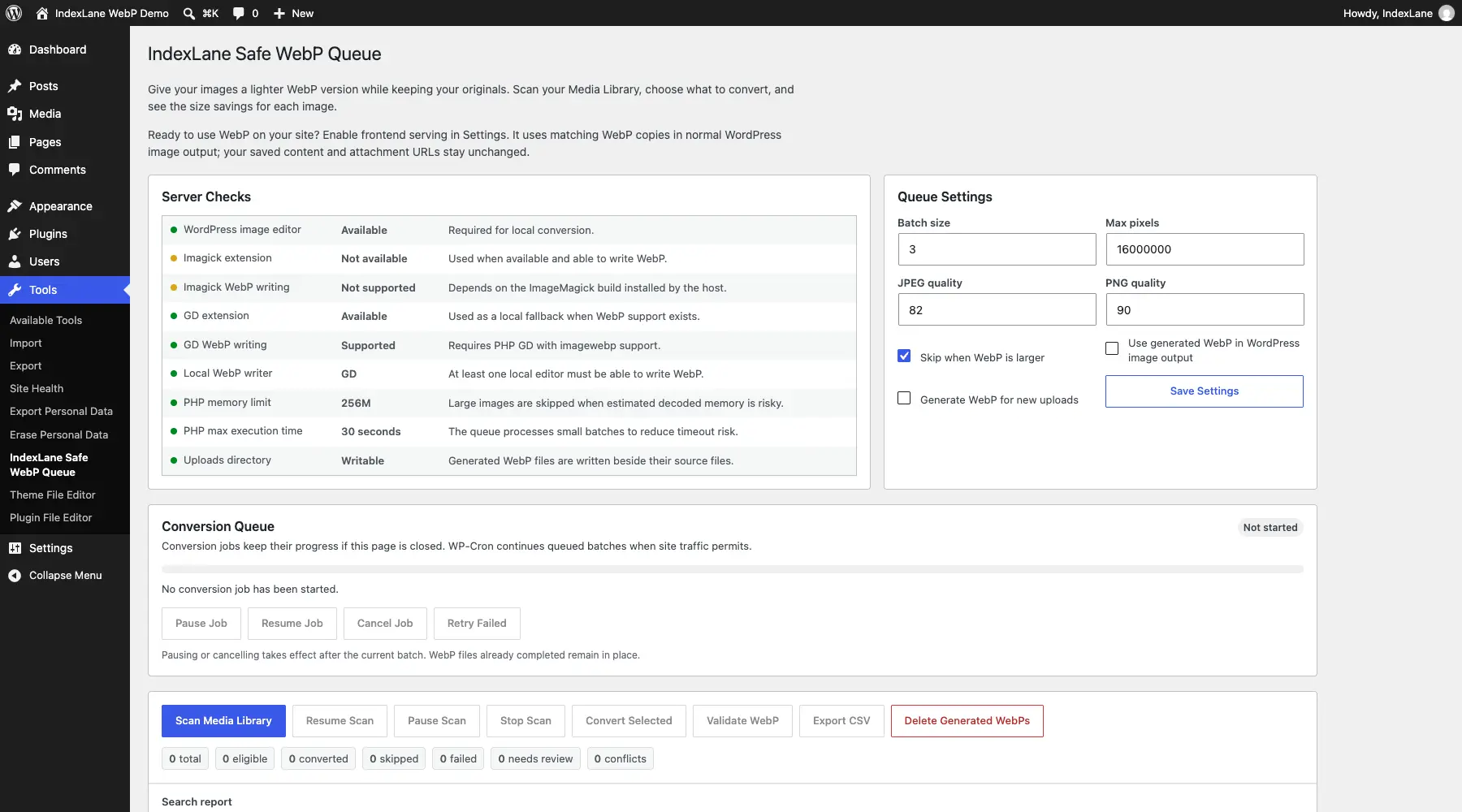
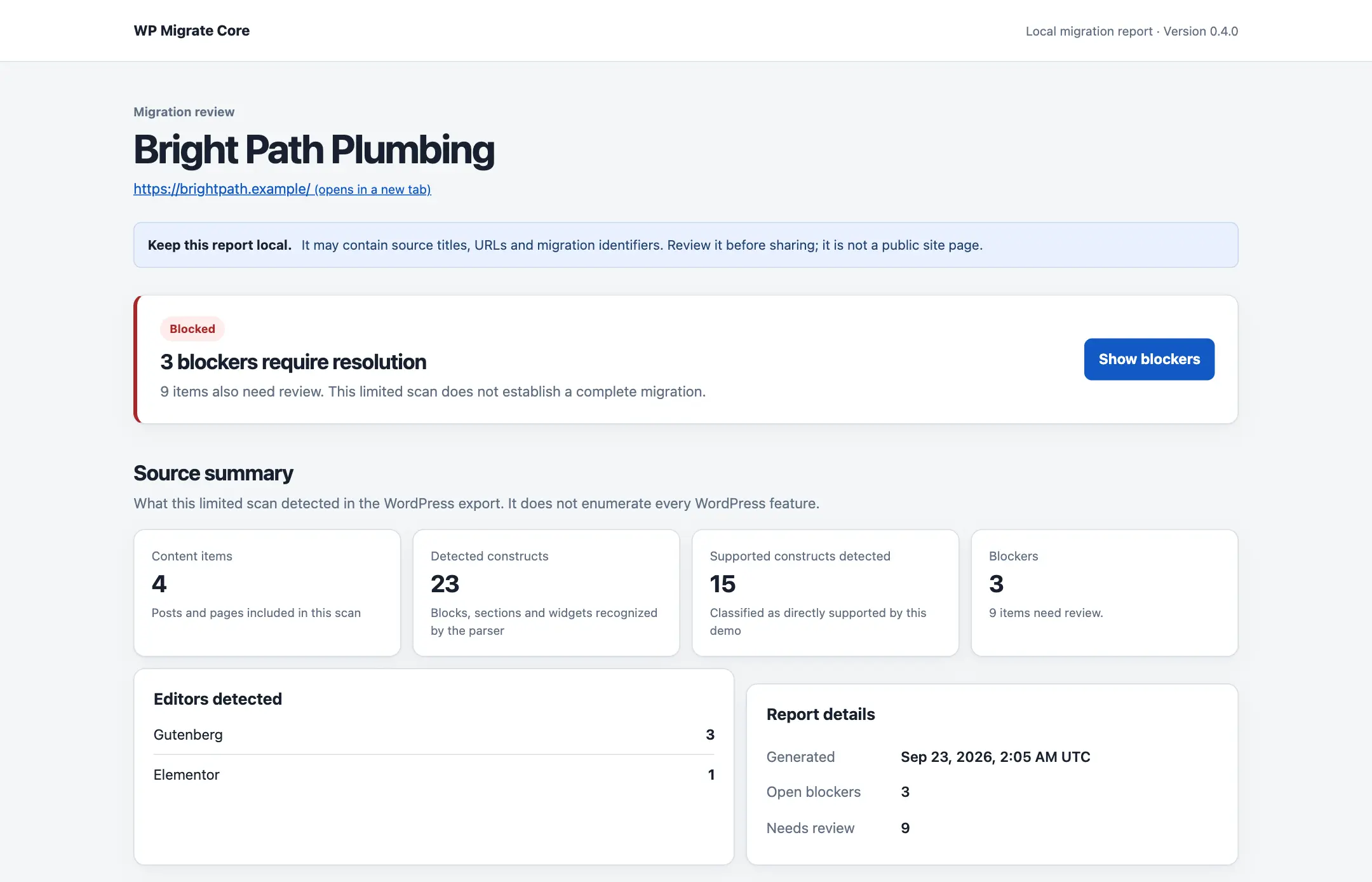
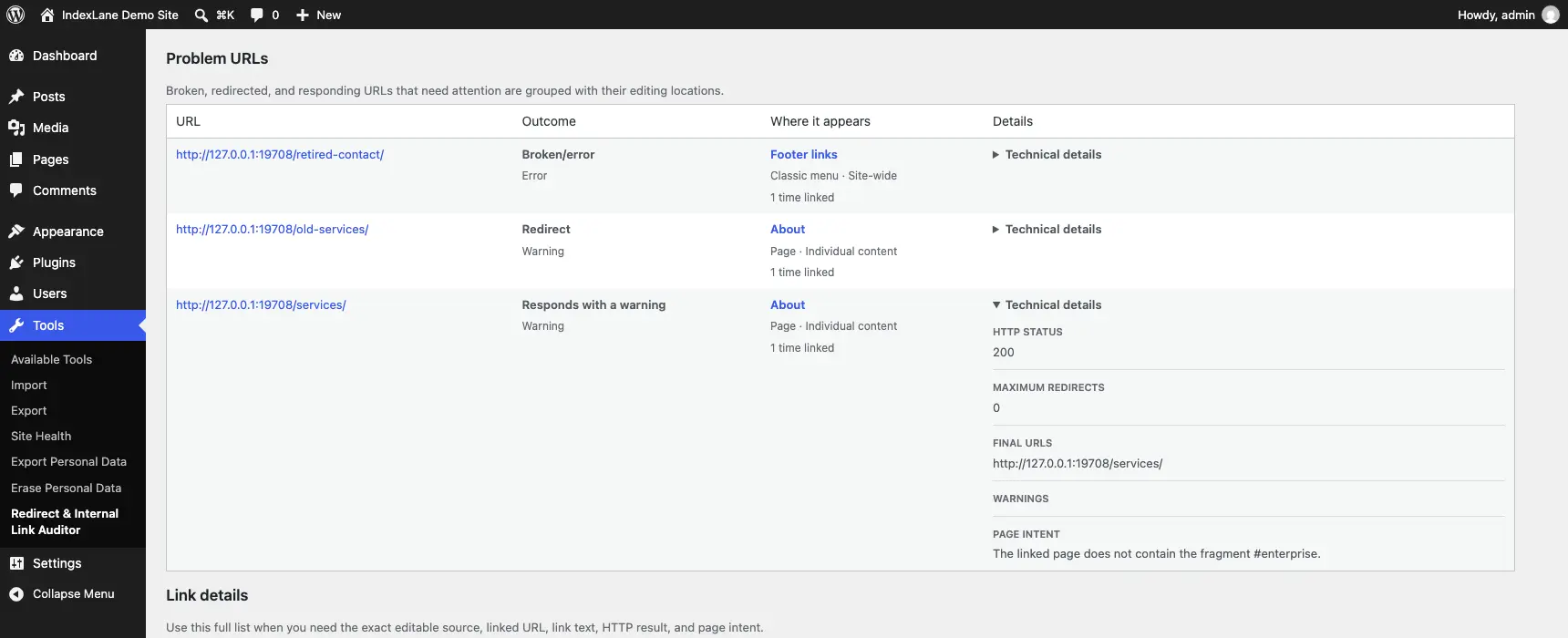
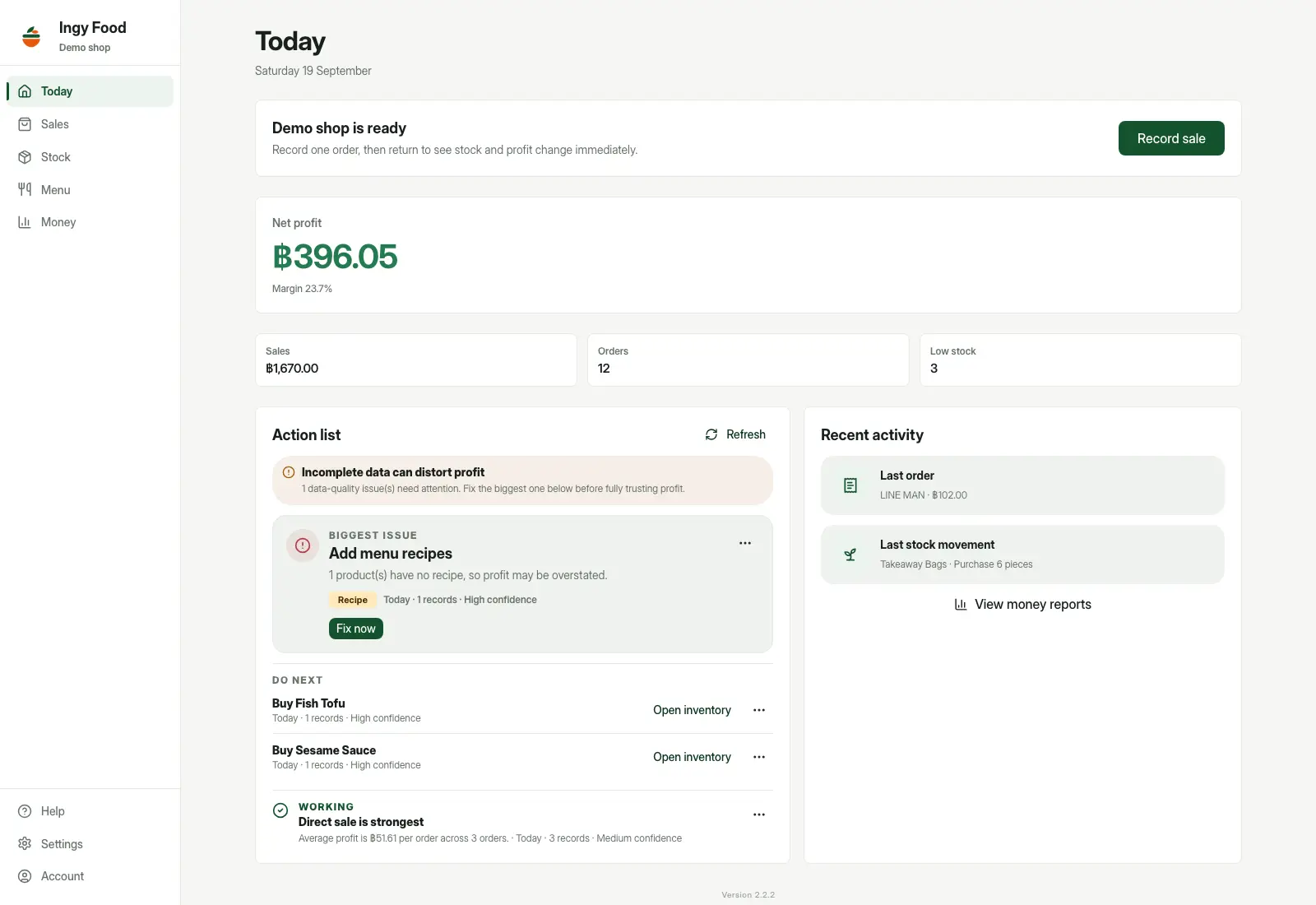
The plugin also handles retries for updates, publication, and scheduling, allowing a completed operation to return its earlier result. WordPress admin screens show publishing readiness, waiting reviews, settings, and an activity history so operators can inspect what happened.
After a change, stored fields are checked against the proposal. Public-page checks report whether the URL responds and whether the expected title and a sample of the content appear. Those checks provide useful evidence, although an older cached page can still share the same sample.
I started the project while exploring the RailCall Developer Challenge and released the result independently on GitHub. The release includes an installable WordPress plugin, a signed RailCall module, checksums, setup instructions, and documented tests. WordPress Application Password credentials are read from RailCall's vault.