Version 0.39.19
Private Organic Search & LLM Activity Tracker
A private analytics tool for tracking website traffic, organic search performance, and activity from search engines and LLM crawlers. It brings ordinary visitor statistics, crawler requests, Google Search Console and Bing Webmaster Tools into one dashboard.
Images
About Private Organic Search & LLM Activity Tracker
I wanted something along the lines of a lighter Matomo, built around the things I kept wanting to check on my own sites. How much traffic was coming from search? Which pages were getting attention? How often were search and AI crawlers coming through, and what were they actually requesting?
That last part was a big reason for building it. I wanted a clearer picture of the automated traffic alongside the people visiting my sites.
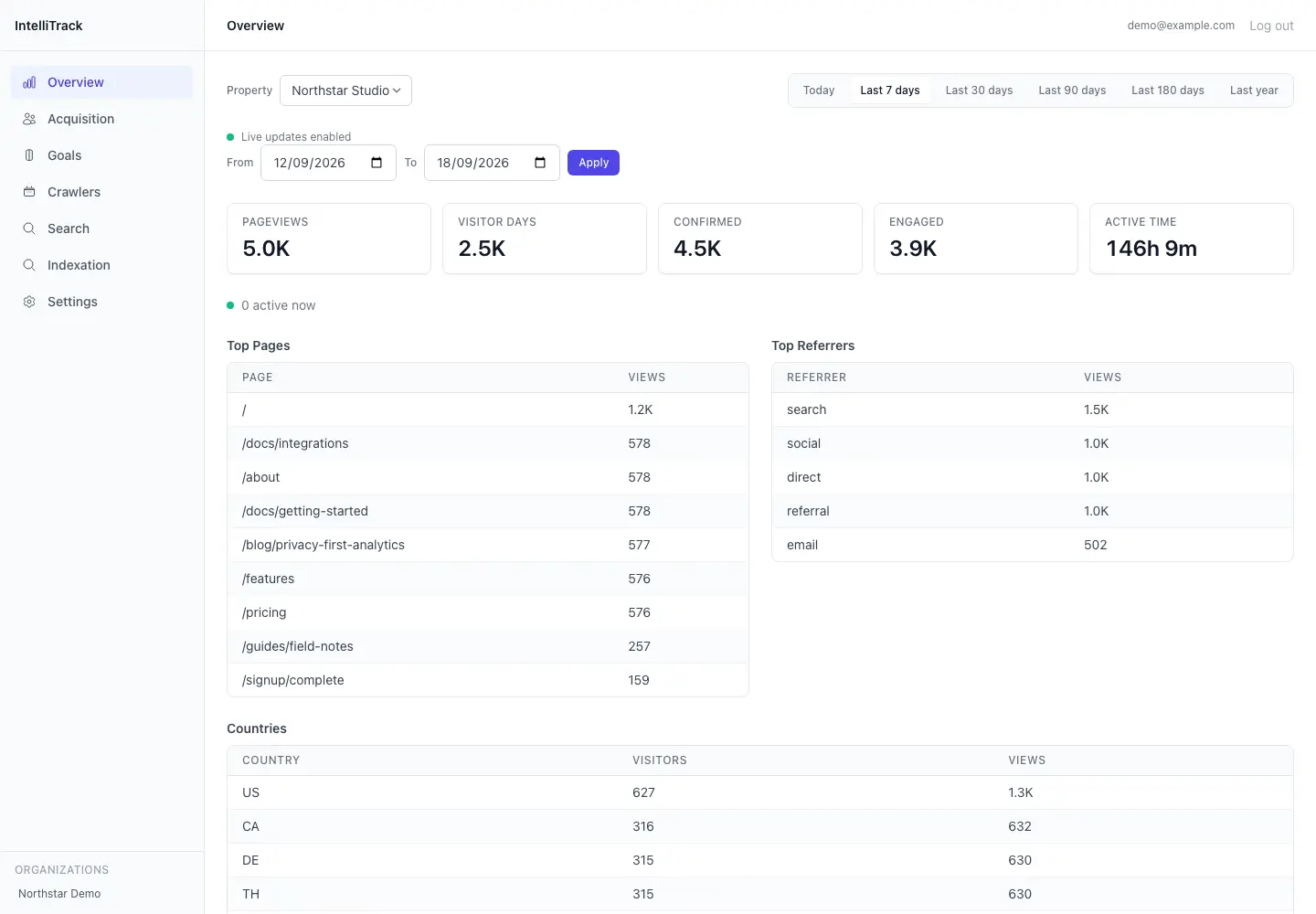
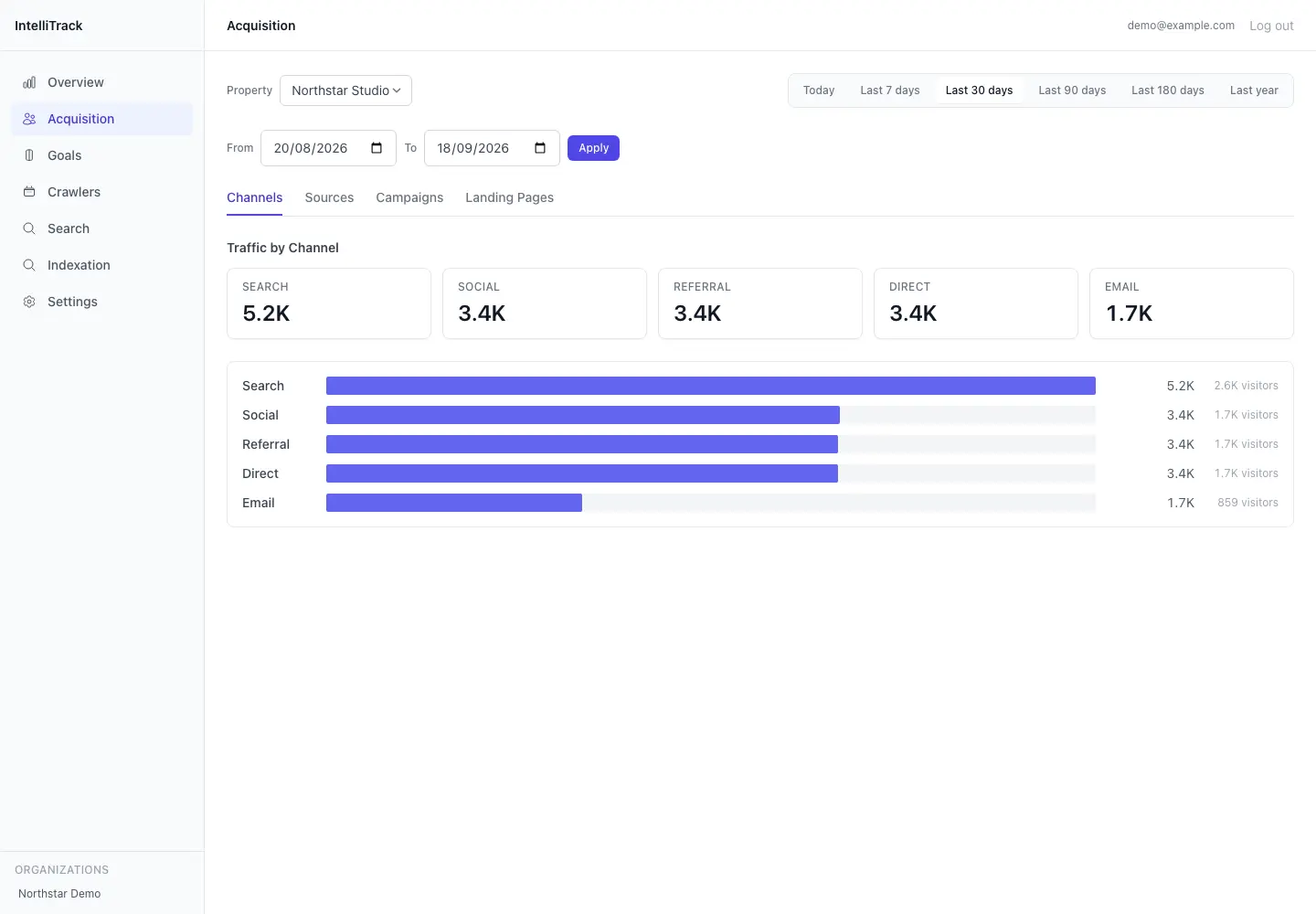
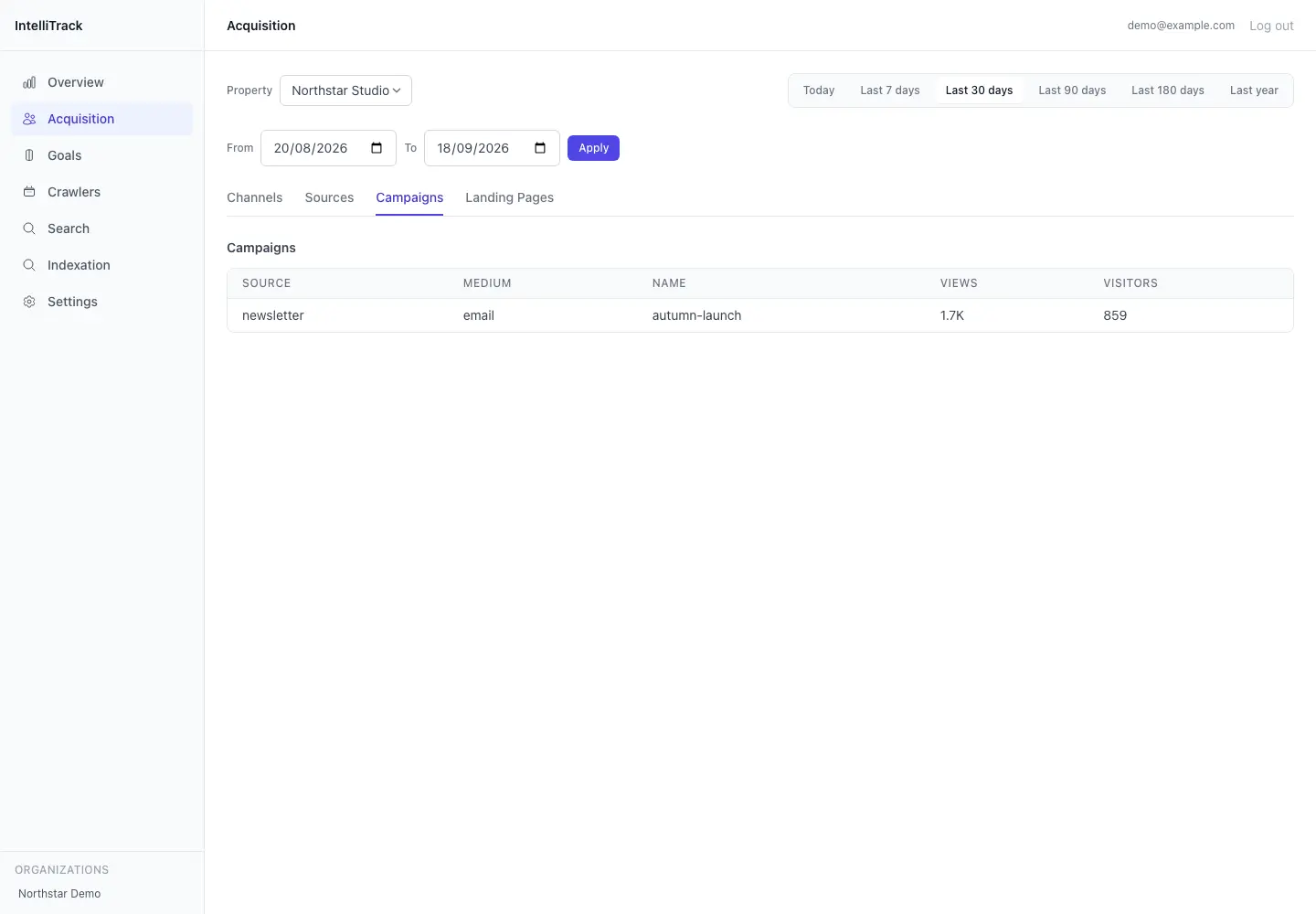
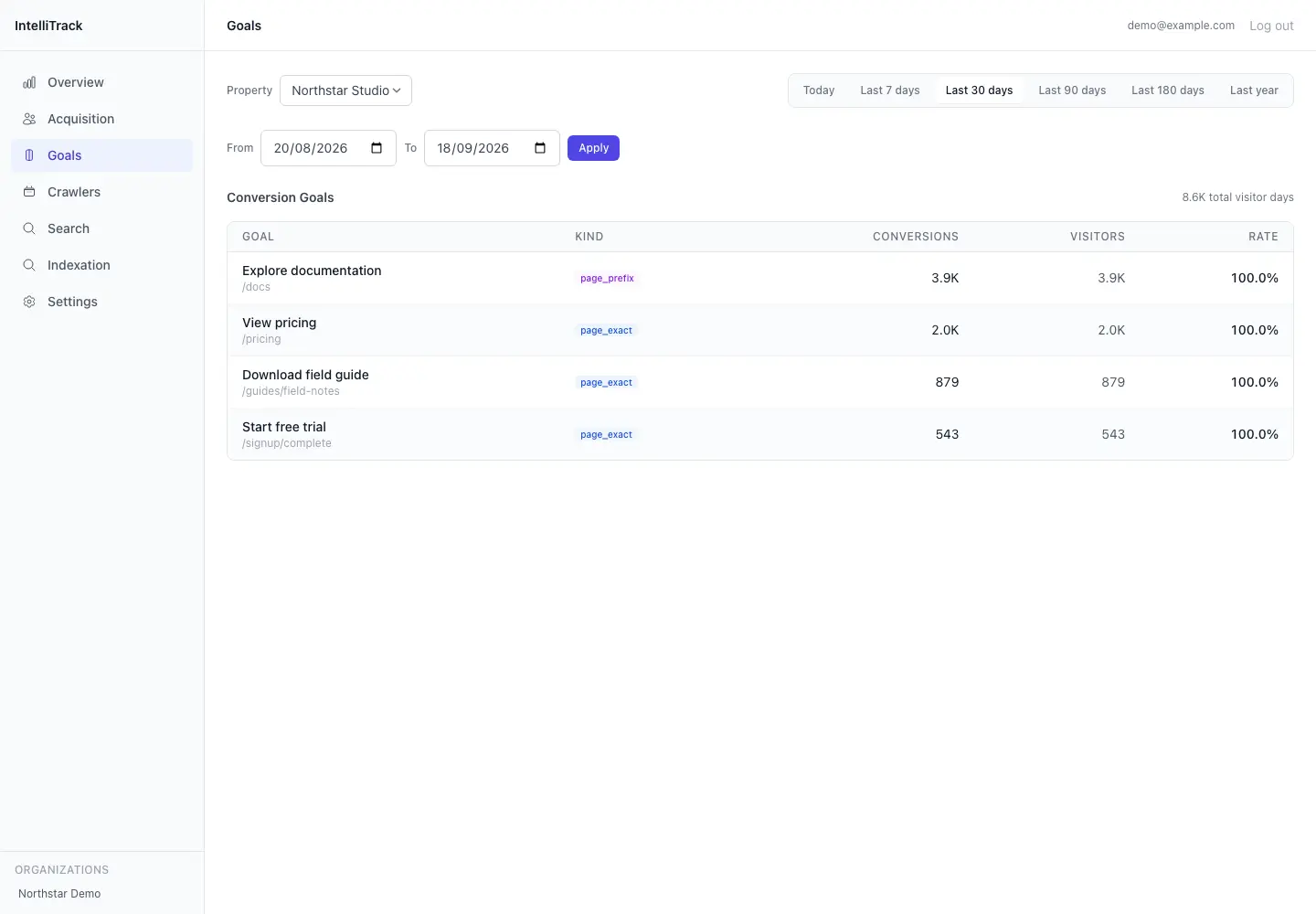
It has the usual analytics features: pageviews, referrers, countries, devices, realtime activity, custom events and goals. The browser tracker is small and works without cookies or browser storage. The dashboard lets me switch between sites and see traffic, acquisition and crawler activity without having to assemble the picture from several different tools.
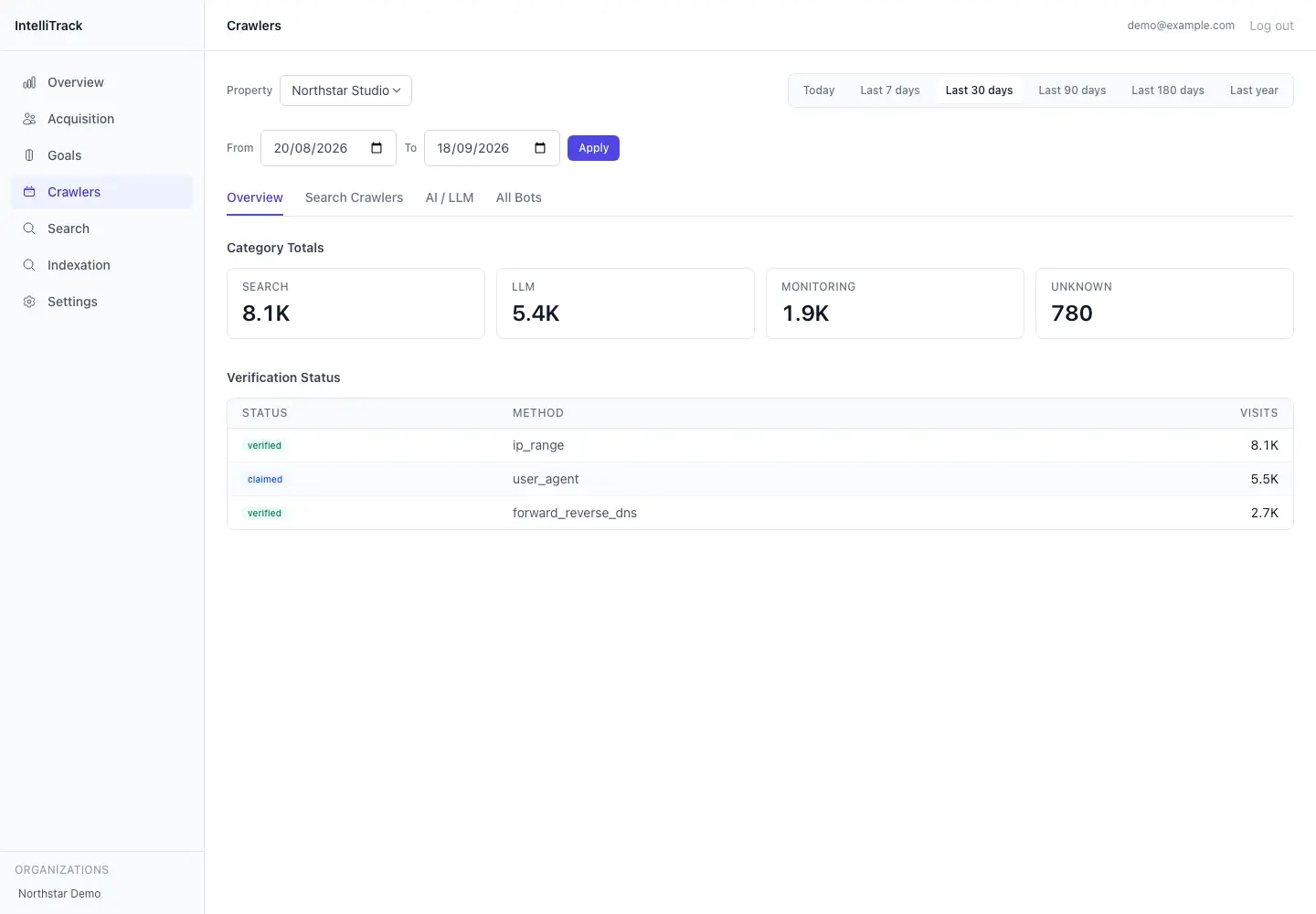
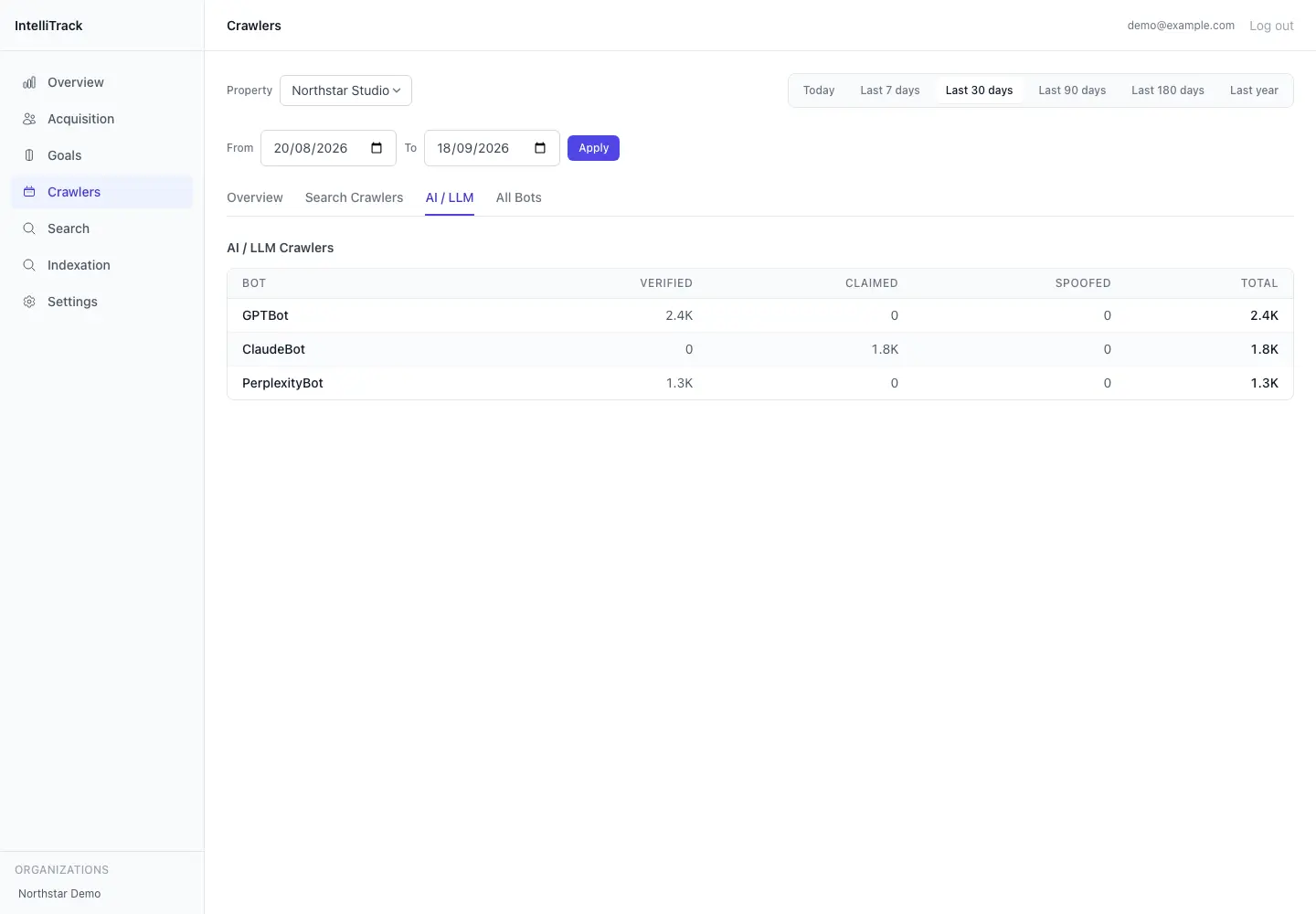
Crawler tracking has its own collection path, using requests forwarded from the server or CDN. That matters because plenty of crawlers never run the JavaScript tracker. The reports group requests by provider and crawler family, with separate identification states for verified crawlers, bots claiming a particular identity, and failed verification attempts.
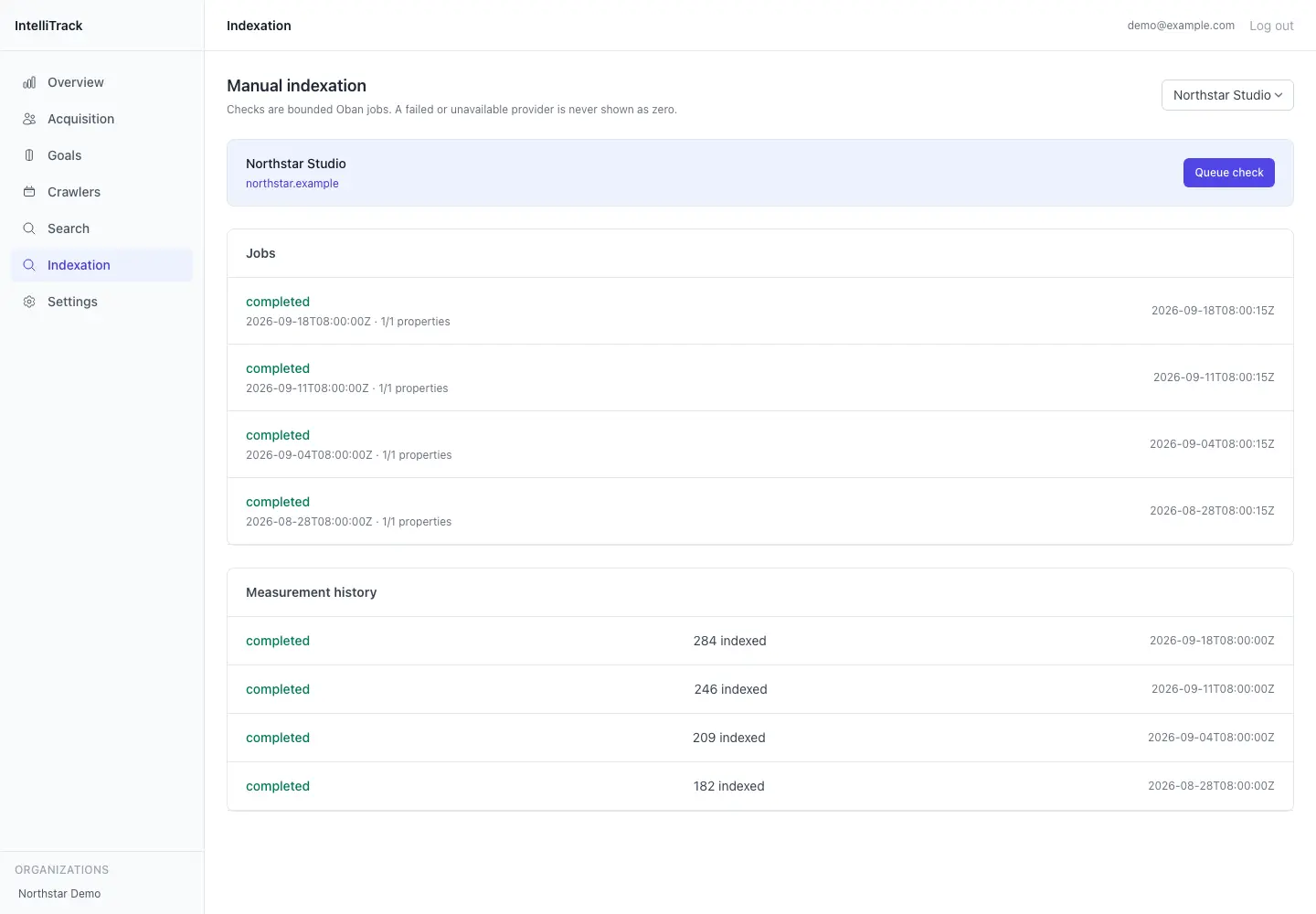
Google Search Console and Bing Webmaster Tools add the search side: query and page performance, clicks, impressions and the available crawl information. Having that next to the traffic and crawler reports made the whole thing comfortable to use. I could look at a site and follow what was happening without immediately opening another three tabs.
The original version used Rust, SQLite and Svelte, and ran on Bunny Magic Containers. At around 25,000 pageviews a day, my deployment was using roughly 90–100 MB of RAM and 0.1–0.15% CPU. I was very happy with how little it needed to keep running.
Then I got into the database and migration work.
SQLite became awkward for the way I wanted to manage the project, and rewriting migrations turned into more work than I wanted from my own analytics tool. The project later moved to Elixir, Phoenix LiveView and PostgreSQL, with background jobs handling maintenance and search-data synchronisation. The repository includes that rewrite, but I’ve switched back to Umami for now. PostgreSQL is easier for me to manage, and Umami lets me get on with the other things I’m building.
I’ll probably come back to this one. I liked having a dashboard built around my own questions, especially the combination of search performance and crawler activity. It was comfy. I just reached the point where I wanted to check my traffic more often than I wanted to work on the thing checking my traffic.
Release history
More software
IndexLane Safe WebP Queue
WordPress Version 1.0.1
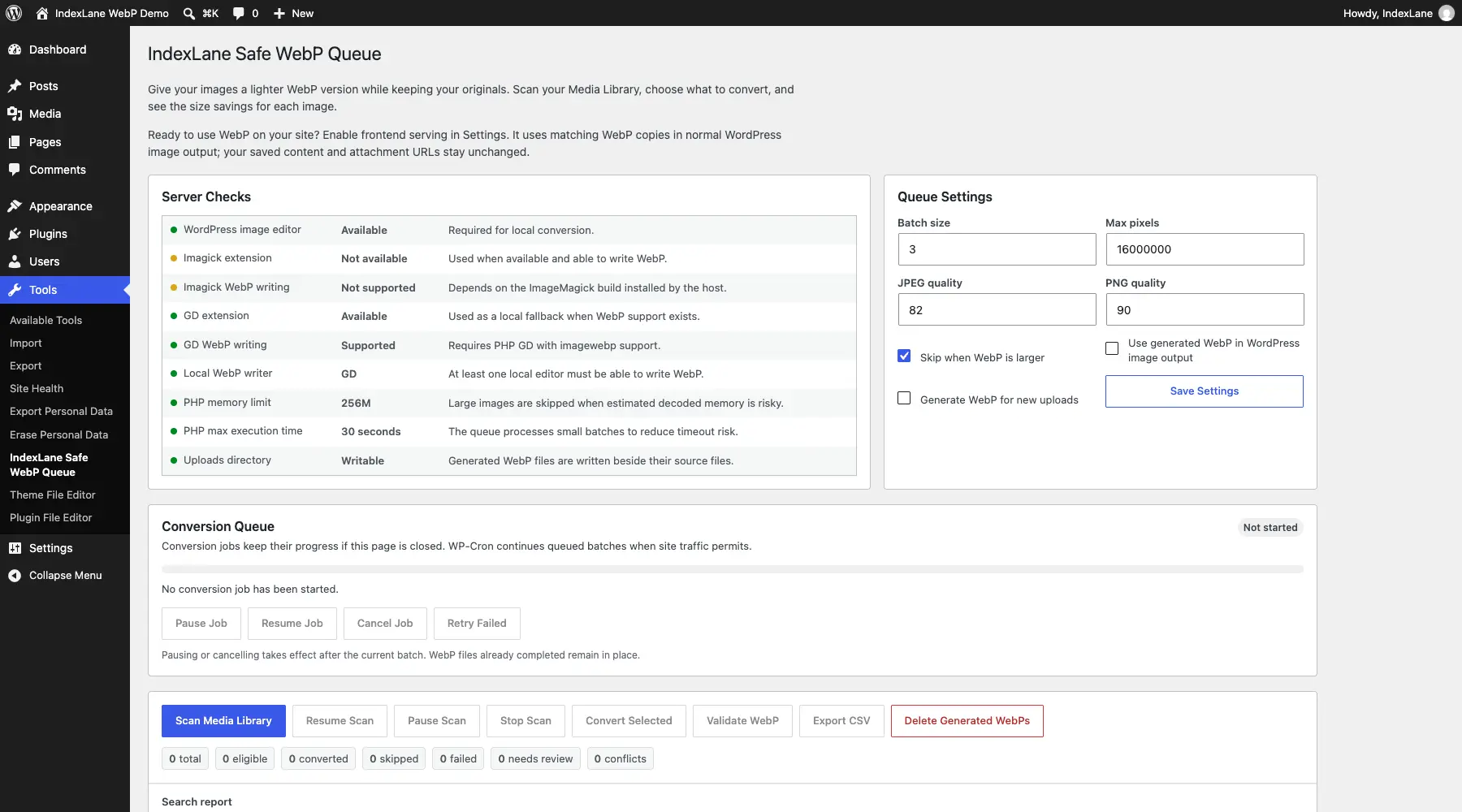
A WordPress plugin that creates WebP copies of your images while keeping the originals. Convert on the server or use the optional browser mode when your host cannot write WebP, with progress reporting and checks before converted files are saved.
Classifieds & Advertising Platform — Go Rebuild
Go Version 1.17.10
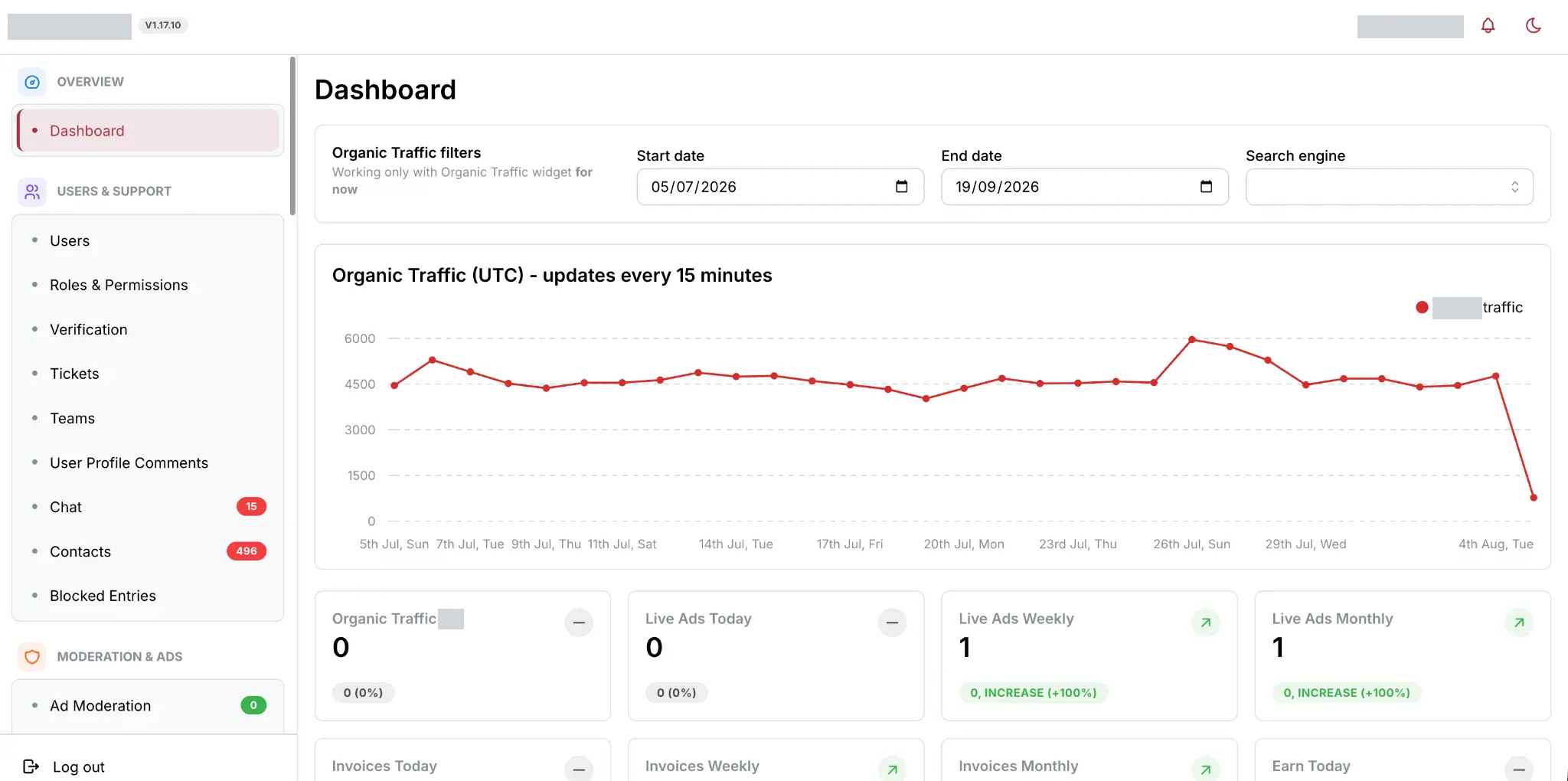
An ongoing Go rebuild of my Laravel classifieds platform, with a React dashboard, incremental listing updates and background jobs handled through NATS JetStream. It preserves the existing platform’s behaviour while changing how the application processes and serves its data.
pgvector-filterbench
pgvector-filterbench
Go Version 0.1.2
A command-line tool for checking how pgvector search behaves once you add filters. It measures speed, compares approximate results with exact search, and checks query plans to see whether PostgreSQL is using your HNSW index.
wp-migrate-core
wp-migrate-core
Typescript Version 0.3.0
A command-line tool for getting a WordPress-to-Astro migration started. It reads a WordPress XML export, inventories content, images and links, and can generate an Astro project with a clear list of what still needs rebuilding.

hueframe
TypeScript Version 1.0.3
A tool for turning a photo into a website color theme. Drop in an image, see its colors applied to a page, adjust the result and export it as CSS variables or JSON design tokens.
SSRWire
Typescript Version 0.5.0
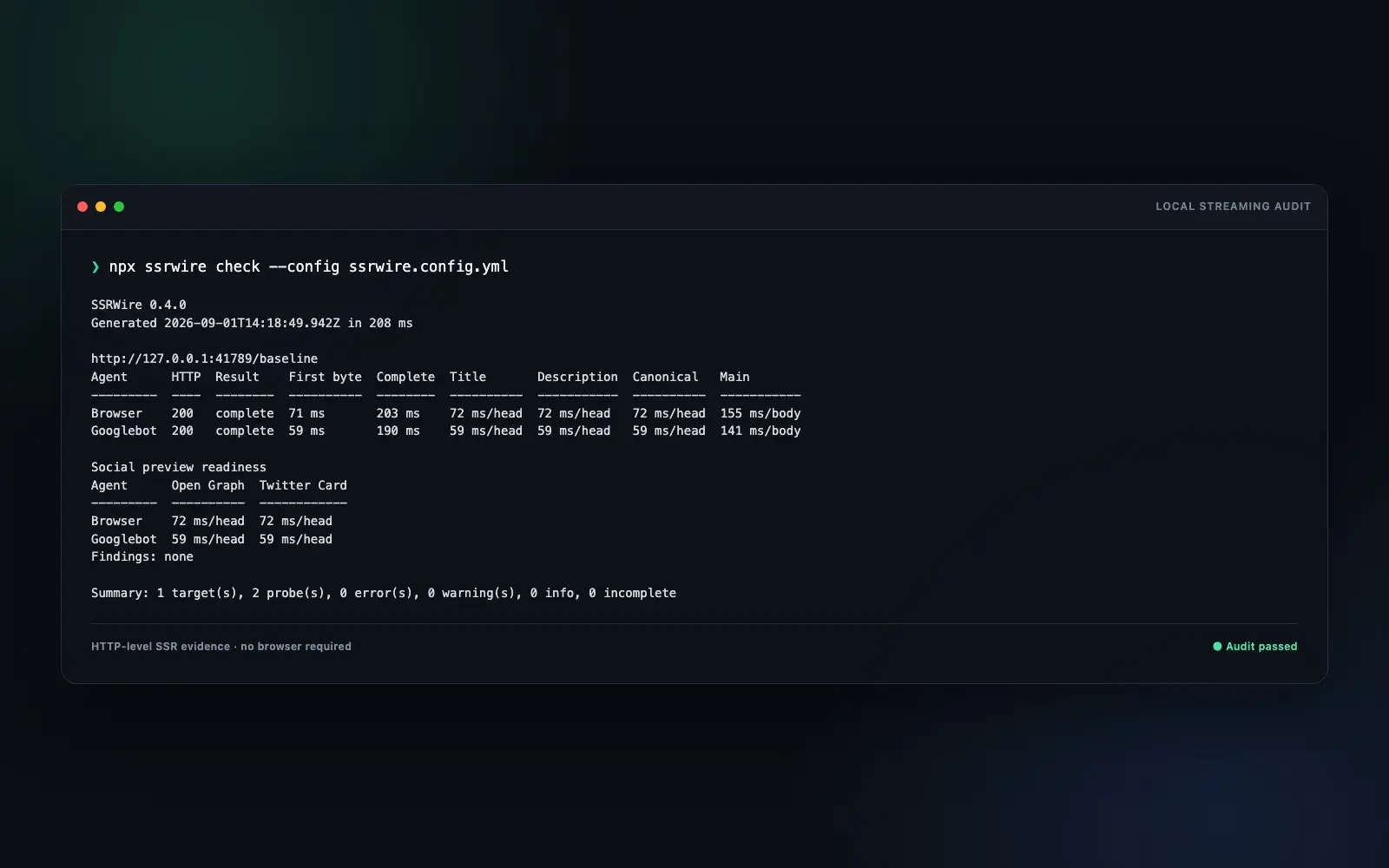
A command-line tool for inspecting the HTML your server sends, including content and metadata that arrive in a stream. It records when important elements appear and compares responses for different browser, search-crawler and social-preview user agents.
routeplay
routeplay
TypeScript Version 0.4.0
A command-line tool for checking that a page delivers the right content and metadata however you reach it. It compares the HTML your server sends, a fresh browser load and the result of clicking through from another page.
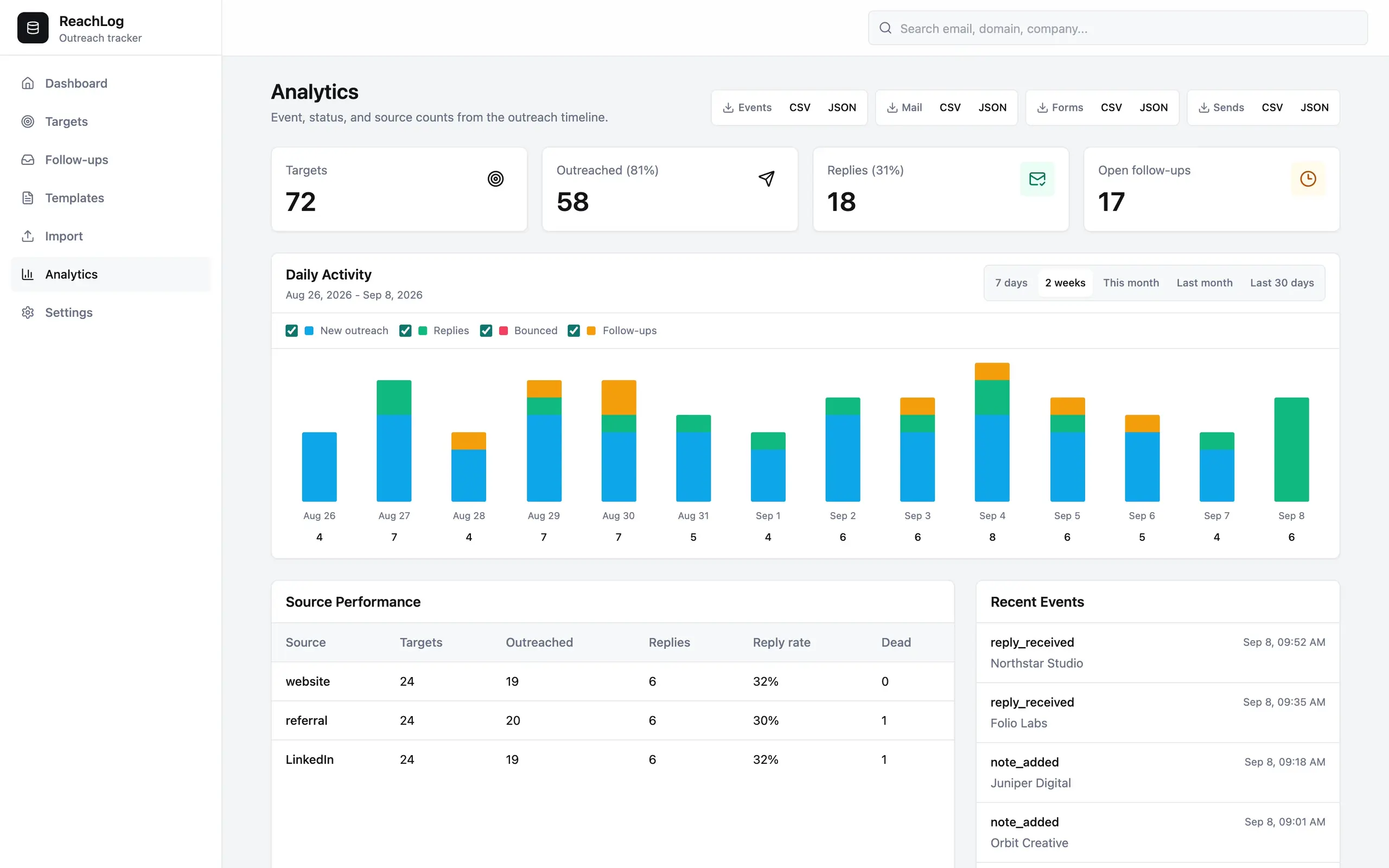
ReachLog
Typescript Version 0.2.1
ReachLog is a small outreach and contact manager for keeping track of who you’ve contacted, what you’ve discussed and when to follow up. It brings contacts, companies and email conversations together in a local application that works with your existing email account.
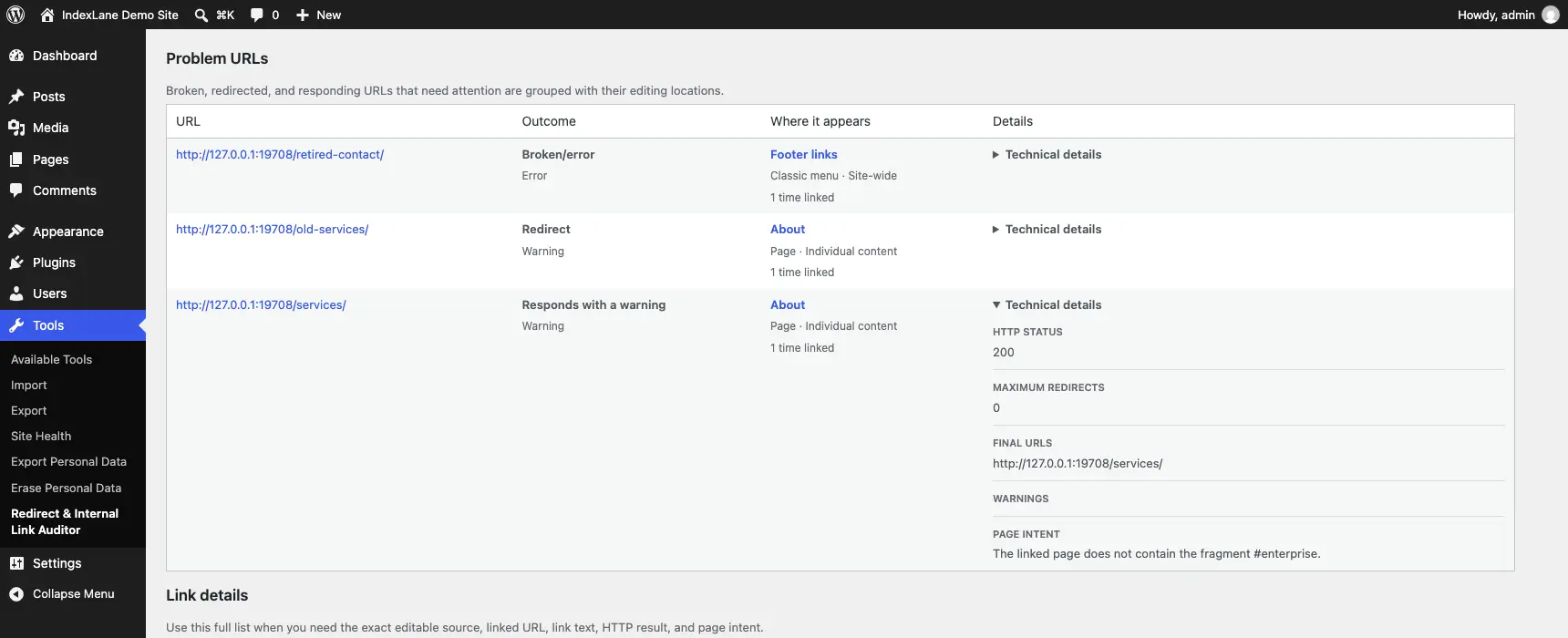
IndexLane Redirect & Internal Link Auditor
Wordpress Version 0.7.0
A WordPress plugin for finding broken internal links, redirects and old URLs left behind after a migration. It shows you where those links are used and takes you to the place where you can edit them.
routelint
routelint
TypeScript Version 0.3.1
A command-line tool for finding broken links, incorrect redirects and indexing conflicts on a live or preview website. It discovers URLs, checks what your server returns and gives you findings tied to specific pages, with the evidence behind them.
Data-Driven Publishing Platform
Data-Driven Publishing Platform
Laravel Version 0.14.1
A publishing platform for running several websites from structured source data. It handles imports, page generation, scheduled updates and search monitoring through one administration panel. Four domains are live; getting traffic to them remains the unfinished part.
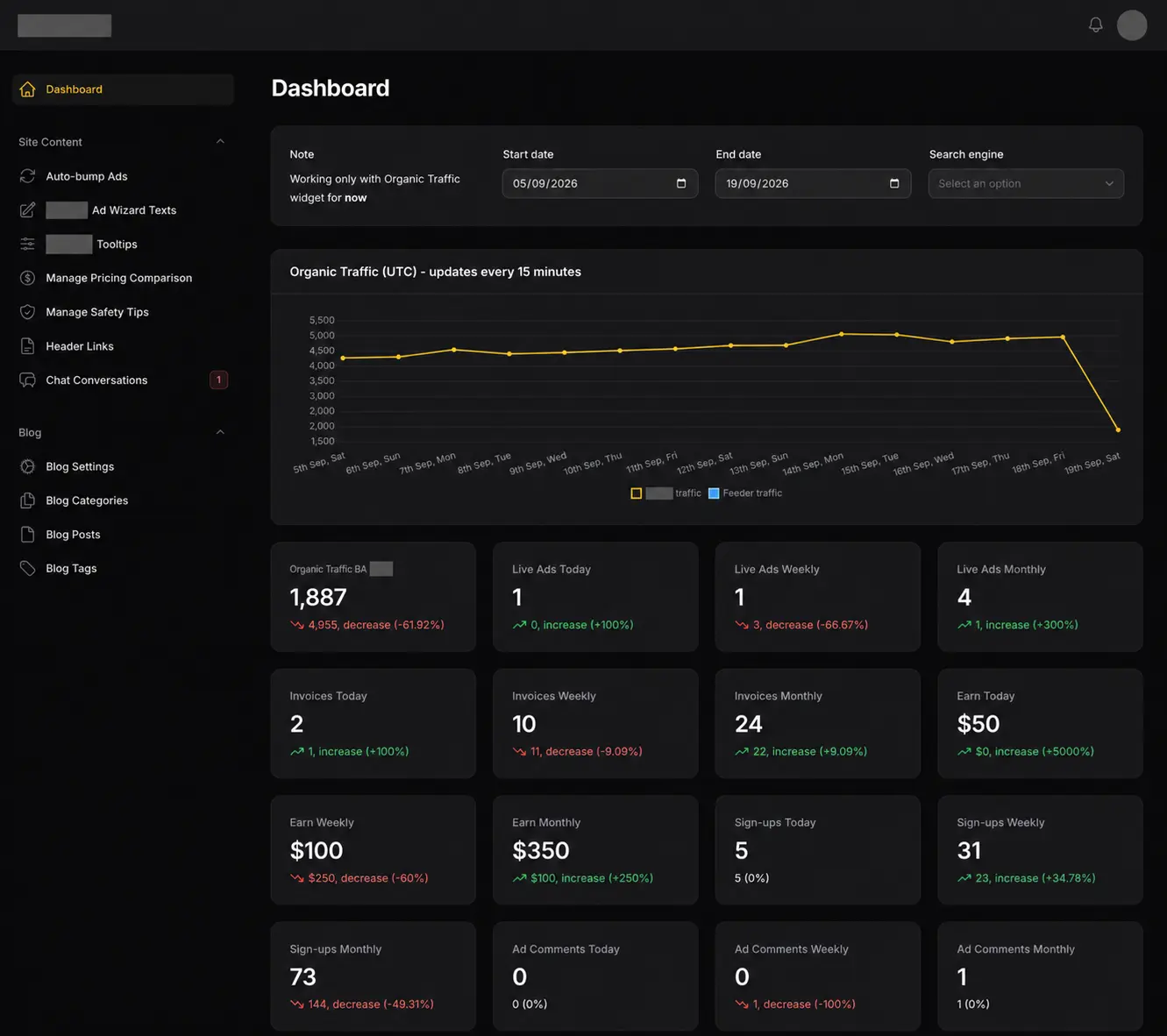
Classifieds & Advertising Platform
Laravel Version 1.3.6
A classifieds and advertising platform I’ve been building and maintaining for roughly two years. It combines location-based browsing, advertiser dashboards, paid listings, invoicing, live chat and an administration panel for running the site.
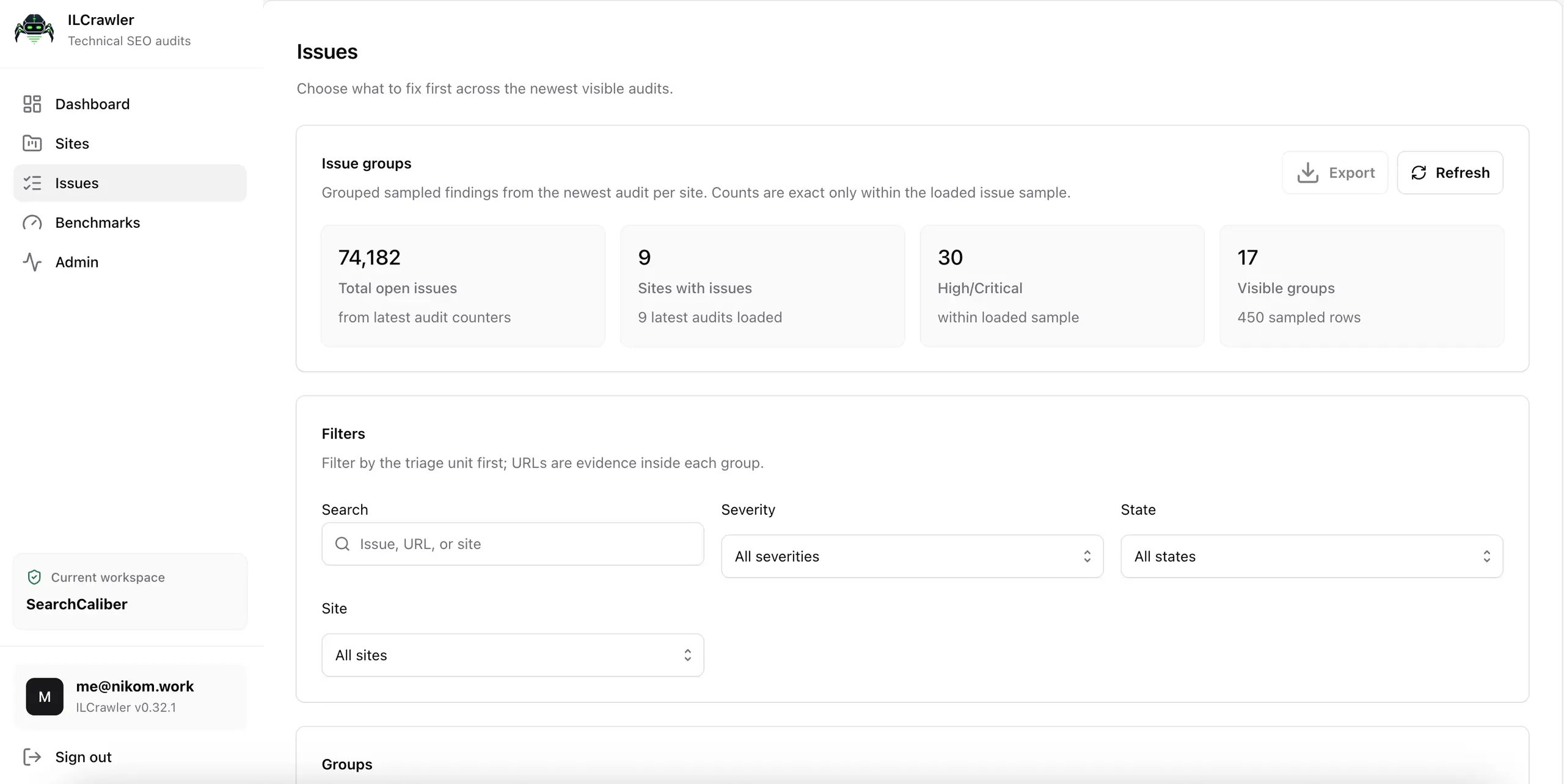
ILCrawler
Go Version 0.41.0
ILCrawler is the technical SEO crawler I use for my own websites and client audits. It brings page checks, links, screenshots, performance samples and reporting into one place. It’s also the project that repeatedly convinced me I was only one rewrite away from being happy with it.
crawlreplay
crawlreplay
Rust Version 0.1.0
A command-line tool for testing robots.txt changes and new deployments against URLs found in your server logs. It helps you catch newly blocked pages, broken responses and unexpected indexing changes before putting those changes live.
Data-Driven Publishing Platform — Go Rebuild
Data-Driven Publishing Platform — Go Rebuild
Go Version 0.226.2
An unlaunched Go rebuild of my publishing platform, using PostgreSQL for application data and background jobs, React for administration and Astro for public websites. It includes source processing, publishing checks and migration tools for the existing sites.
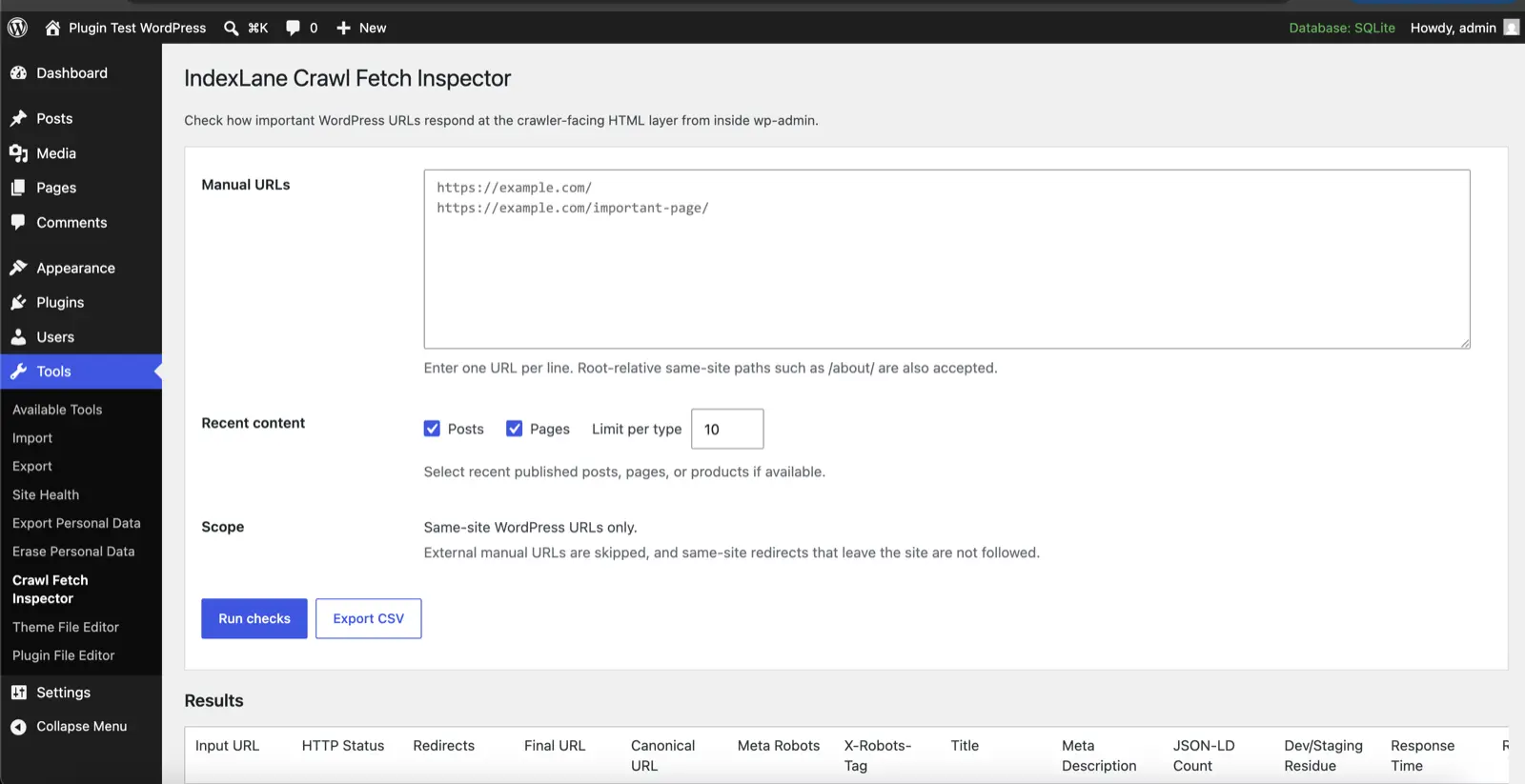
IndexLane Crawl Fetch Inspector
WordPress Version 0.2.0
A WordPress plugin for checking redirects, indexing rules, sitemaps and structured data from your dashboard. Particularly handy when you’re launching a site or moving one.
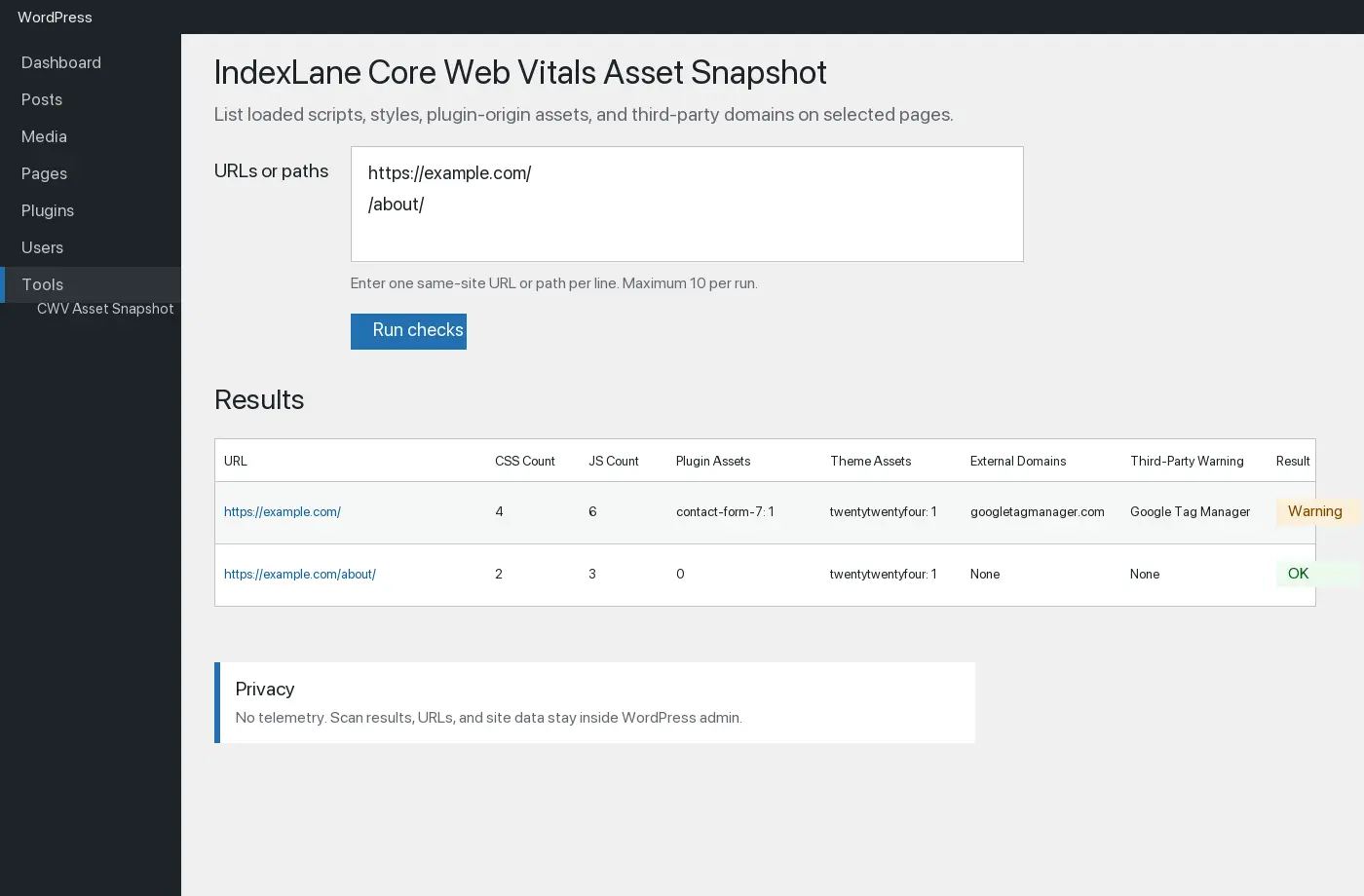
IndexLane Asset Weight Snapshot
WordPress Version 0.2.0
A WordPress plugin for checking the CSS and JavaScript your pages reference, measuring the files it can fetch, and comparing the results over time. Useful when you want to see what a plugin update or site change has added.
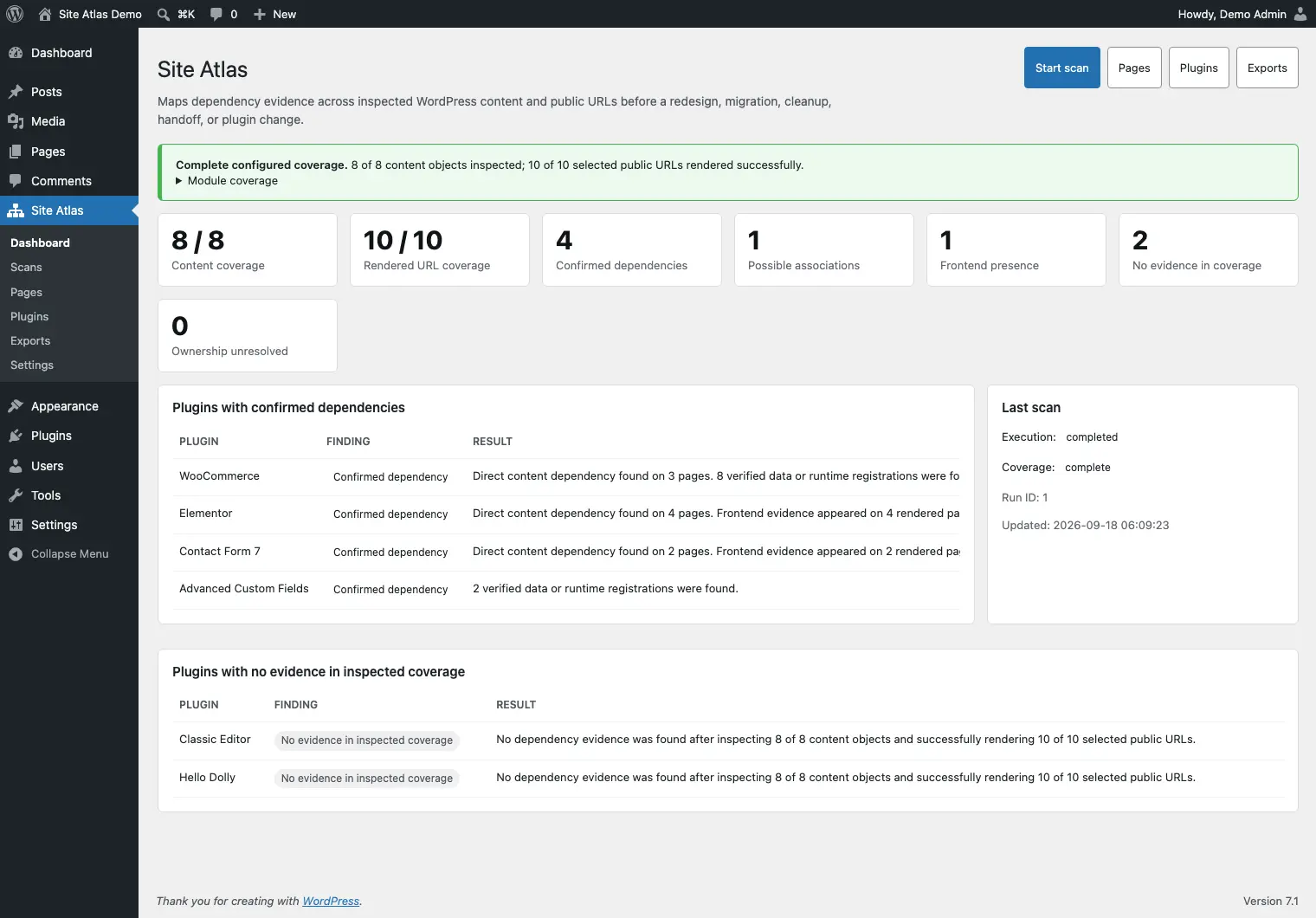
IndexLane Site Atlas
WordPress Version 0.1.0
A WordPress plugin for figuring out how a site fits together before you start changing things. It looks at the connections between plugins, content and stored data, which is useful when you’re planning a cleanup, rebuild or handover.
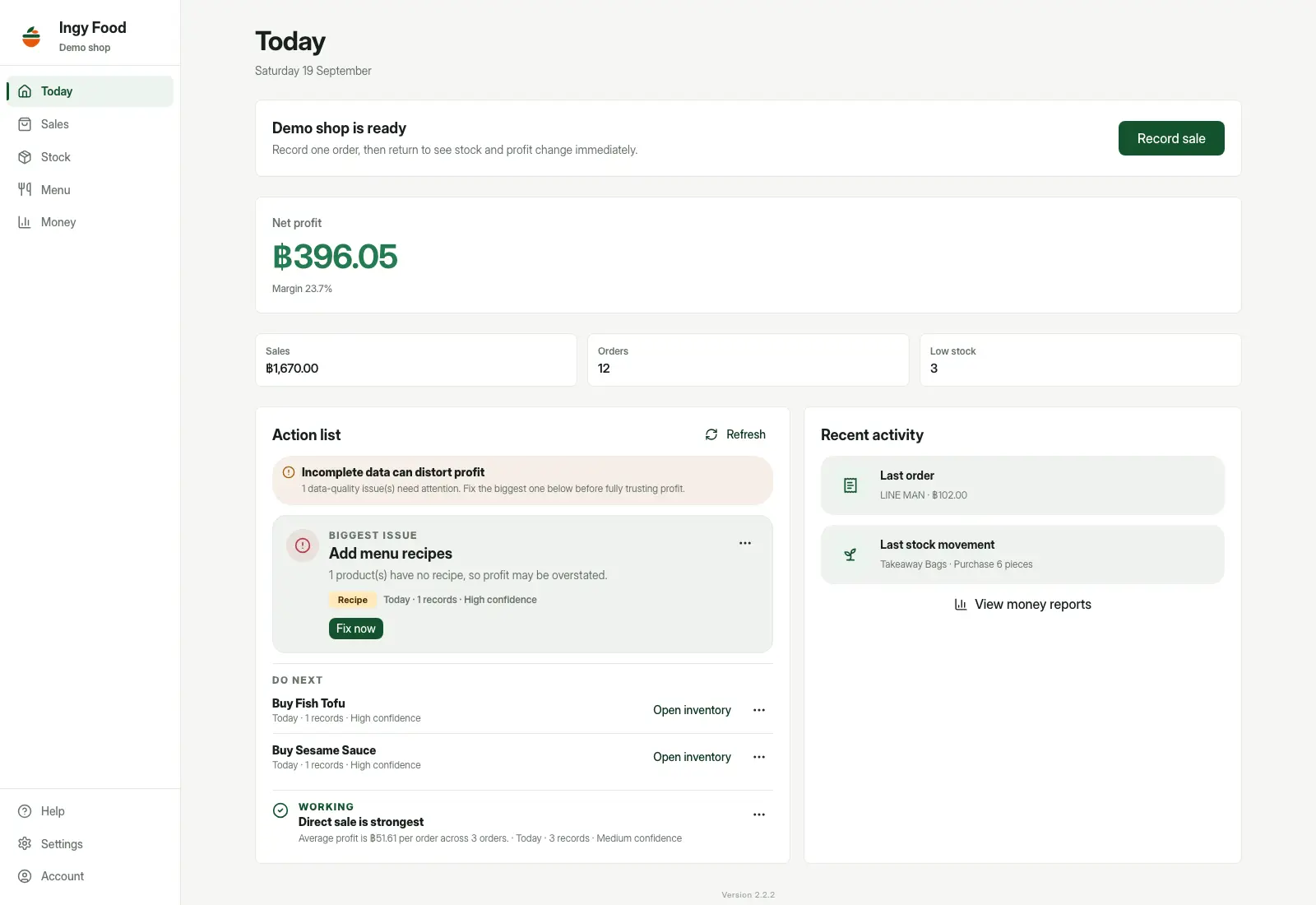
Food Cost & Profit Tracker
TypeScript Version 2.2.2
A private app for tracking food costs, stock and estimated profit across direct sales and food delivery. It connects ingredient purchases, recipes, orders and platform fees, helping a seller understand what each dish costs and how much money is actually left.
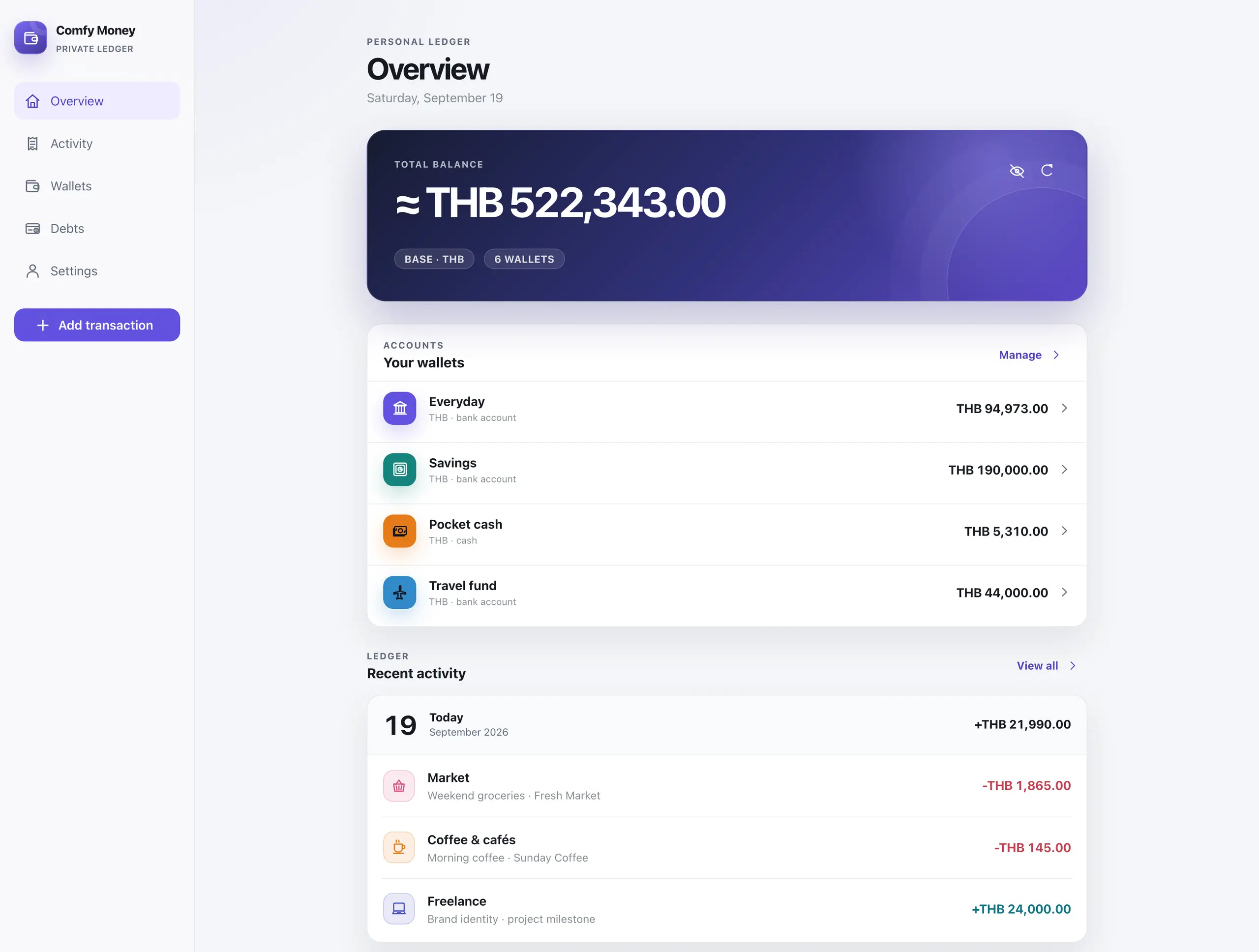
Comfy Money - Private Multi-Currency Ledger
Go Version 0.14.5
Comfy Money is a private money tracker I built for myself and my family. It handles wallets in different currencies, income, expenses, transfers, budgets and debts, with automatically updated exchange rates and a mobile interface that installs as a PWA.
crawlcontract
crawlcontract
Rust Version 0.3.1
A command-line tool for catching crawl and indexing problems when a website changes. It checks built files or pages fetched from a live or preview site, and compares scans so you can spot problems before a release.
pgvector-index-manager
pgvector-index-manager
Go Version 0.1.1
A command-line tool for keeping your pgvector indexes in line with a configuration you control. It checks what exists, shows you what needs changing, and can build and replace HNSW indexes when you apply those changes.
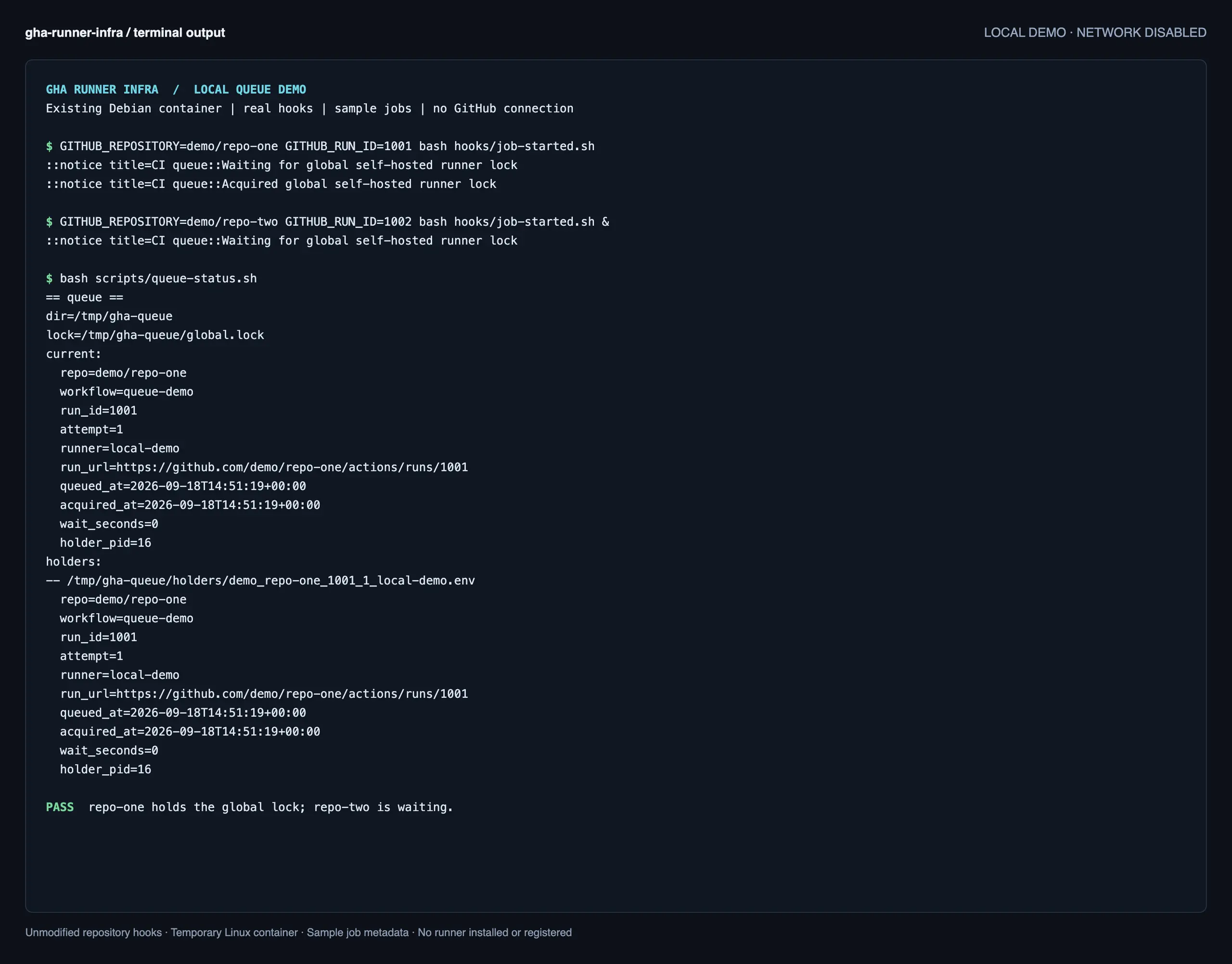
Private setup for GitHub Actions runners
GitHub Actions Version 0.1.2
GHA is my private setup for running GitHub Actions runners for multiple repositories on one VDS. It handles runner registration, a shared job queue and resource limits, letting me run CI jobs on my own server while keeping the workflows in GitHub.
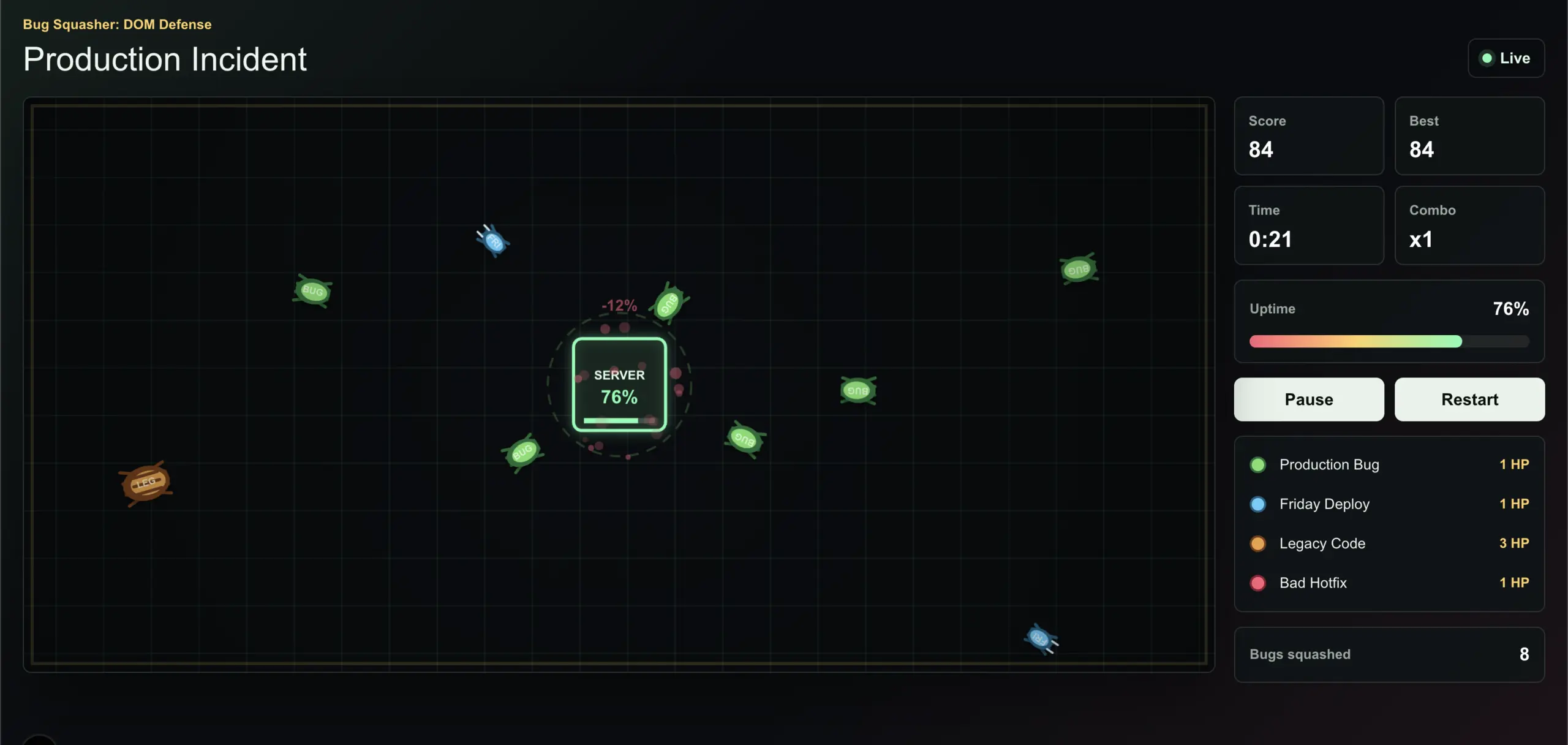
Bug Squasher: DOM Defense
TypeScript Version 0.1.0
I was bored and wanted a break from client projects, so I made a little TypeScript game. Naturally, it ended up being about bugs taking down a server.

DG6 — Multilingual pSEO Publishing
PHP Version 1.0.0
A Laravel publishing application for my programmatic SEO projects. DG6 turns generated content into multilingual websites, with separate domains, themes and publishing schedules, all running from one codebase.

DG6 Swarm — AI Content & Media Pipeline
Python Version 0.17
A Python pipeline that turns a domain and starting keyword into site copy, articles and visual assets. Specialized GPU workers handle each stage, starting and stopping according to queued work.