Materials
The case for building with wood that nobody wanted
Beetle-killed spruce is standing dead across millions of hectares. It is cheap, plentiful, and structurally excellent — and most of it is burned.
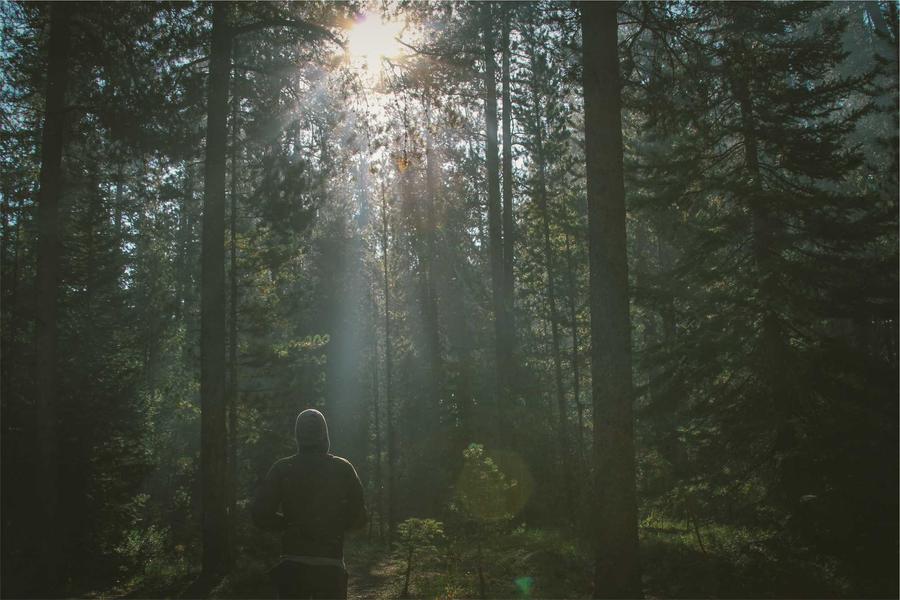
When a bark beetle kills a spruce, the tree does not rot where it stands. It dries. Over three or four years the moisture content falls to roughly what a kiln would have achieved, and the fibres stay sound.
That is, structurally, a gift. Dried timber that required no drying energy, growing in forests that now have to be cleared anyway for fire safety.
So why is it burned
Certification. Most structural timber specifications in Europe and North America ask for visual or machine grading against a standard written for green-felled logs, and dead-standing timber fails the appearance clauses long before it fails the strength ones — blue stain, hairline checks, the grey surface.
Change the specification, and a material that costs a third of construction-grade spruce becomes usable. Three engineered-timber producers in central Europe have done exactly that and are now selling glue-laminated members made from salvaged spruce.
“The tree is already dead. The question is whether we build with it or watch it go up the chimney for heat.” — a structural engineer working on the grading review
The catch
Transport. Dead stands are often in forests that were never meant to be harvested at this scale, on roads that cannot take a timber lorry. The material is nearly free and the logistics are not.
That is a solvable problem, but it is a real one — and it is why the honest version of this story is not “free wood for everyone” but “wood that is cheap if you build within a hundred kilometres”.